Chip iphone marks a significant leap in mobile technology, transforming how we interact with our devices. Apple’s innovation in chip design not only powers impressive performance but also enhances energy efficiency and user experience. From the inception of the A-series chips to the latest iterations, understanding the intricacies of these components reveals the backbone of iPhone functionality.
The evolution of chip technology in iPhones has been pivotal over the years, showcasing a relentless pursuit of innovation that defines Apple’s approach. The A-series chips have continually pushed the envelope in performance, integrating advanced features such as artificial intelligence, which further optimizes battery life and app efficiency. By diving into the specifics of these chips, we can appreciate the remarkable engineering that supports our daily digital experiences.
Understanding the Chip Technology in iPhones
The chip technology used in iPhones is a cornerstone of Apple’s innovation and performance. The intricate design and engineering behind these chips significantly enhance the functionality and user experience of the device. From processing power to energy efficiency, understanding these components provides insight into what makes iPhones stand out in a crowded market.
The iPhone utilizes several types of chips, each serving distinct purposes. The prominent chips include the A-series processors, the M-series coprocessors, and the baseband processors. These chips collectively work to ensure seamless operation, superior graphics rendering, and enhanced connectivity.
Types of Chips in iPhones
The various chips embedded in iPhones are crucial for their operation, each contributing uniquely to the device’s overall performance:
- A-Series Chips: These serve as the main processors, responsible for executing tasks, running applications, and managing system operations. A-series chips are known for their impressive speed and efficiency, such as the A15 Bionic chip featured in the iPhone 13.
- M-Series Coprocessors: These chips work alongside the A-series to handle specific tasks like motion tracking, health monitoring, and sensor data processing. For example, the M1 chip has significantly enhanced the performance of various Apple devices.
- Baseband Processors: These chips manage communication functions, including cellular connectivity, Wi-Fi, and Bluetooth. They ensure that the iPhone can connect to networks seamlessly and efficiently.
Evolution of Chip Technology in Apple Devices
Apple’s chip technology has undergone significant transformations over the years, evolving from basic components to highly sophisticated systems-on-a-chip (SoCs). The introduction of the A4 chip in 2010 marked Apple’s first foray into custom silicon, which laid the foundation for future advancements.
As technology progressed, so did the capabilities of these chips. Each new generation has brought increases in processing power, energy efficiency, and integrated features. For instance, the transition from the A6 chip to the A15 Bionic chip demonstrated a remarkable leap in performance, with benchmarks showing a dramatic increase in speed and graphics processing capabilities over the years.
Role of A-Series Chips in Enhancing iPhone Performance
The A-series chips are at the heart of iPhone performance, driving every aspect of the user experience. Each new iteration introduces cutting-edge technology, enhancing speed, graphics, and machine learning capabilities.
| Chip Model | Release Year | Key Features |
|---|---|---|
| A12 Bionic | 2018 | Neural Engine, 7nm process technology |
| A14 Bionic | 2020 | First 5nm chip, improved battery efficiency |
| A15 Bionic | 2021 | Enhanced GPU, advanced machine learning capabilities |
The A-series chips not only provide raw processing power but also integrate features that enhance photography, battery life, and overall efficiency. For instance, the computational photography capabilities introduced with the A13 Bionic chip allowed for features like Night Mode and enhanced Smart HDR, significantly improving image quality without the need for specialized hardware.
“The advancements in A-series chips have redefined what mobile devices can achieve, pushing the boundaries of performance and efficiency.”
Impact of Chip Design on iPhone Features

The chip design in iPhones plays a crucial role in shaping the overall user experience, impacting everything from battery life to performance efficiency. Apple’s commitment to custom chip architecture has led to significant advancements in mobile technology, enabling enhanced features, prolonged battery life, and seamless integration of artificial intelligence capabilities. The following sections delve into how these elements are interconnected and the implications they hold for users.
Battery Life and Energy Efficiency
The design of the A-series chips directly influences the battery life and energy efficiency of iPhones. By optimizing the architecture for specific tasks, Apple ensures that each function consumes minimal power.
The following factors contribute to improved battery performance:
- Advanced manufacturing processes: Apple employs cutting-edge chip fabrication technologies, such as 5-nanometer processes, which allow more transistors to fit into a smaller chip area, enhancing efficiency.
- Dynamic power management: The chip integrates features that adaptively manage power based on usage patterns, effectively reducing energy consumption during low-demand situations.
- Specialized processing units: Components like the Neural Engine perform specific tasks related to AI and machine learning without burdening the main processor, thus conserving battery life during intensive computations.
“The efficient chip design not only extends battery life but also enhances user satisfaction by minimizing the need for frequent charging.”
Integration of Artificial Intelligence
The integration of artificial intelligence within the chip architecture of iPhones represents a significant leap in mobile computing. Apple’s A-series chips are crafted with dedicated cores specifically for machine learning tasks, allowing devices to perform complex computations swiftly and efficiently.
Key aspects of this integration include:
- Real-time processing: AI capabilities enable real-time data analysis, allowing features like facial recognition and predictive text to operate quickly and accurately.
- Personalization: The chip design allows for the accumulation of user behavior data, enhancing app experiences through tailored recommendations and predictive functionalities.
- Enhanced photography: AI-driven algorithms improve camera functionalities, providing features such as enhanced image stabilization and scene recognition, making every shot a masterpiece.
“Custom AI processing within the chip architecture empowers iPhones to learn and adapt to user preferences, resulting in a highly personalized experience.”
Advantages of Custom-Designed Chips
Apple’s choice to utilize custom-designed chips over off-the-shelf components brings numerous advantages that bolster the iPhone’s performance and feature set. This strategic decision stems from Apple’s goal to create a seamless integration between hardware and software.
The benefits of custom chips include:
- Optimized performance: Custom chips are designed specifically for iOS, ensuring that the software runs smoothly and efficiently, enhancing the overall user experience.
- Increased security: Tailored chip designs incorporate advanced security features, such as the Secure Enclave, which protects sensitive data more effectively than generic components.
- Long-term support: Custom chips enable Apple to control the lifecycle of the hardware, ensuring consistent performance improvements and software updates across devices.
“The strategic advantage of custom chip design ensures that Apple can innovate rapidly while maintaining compatibility and optimizing performance.”
Comparison of iPhone Chips Across Models
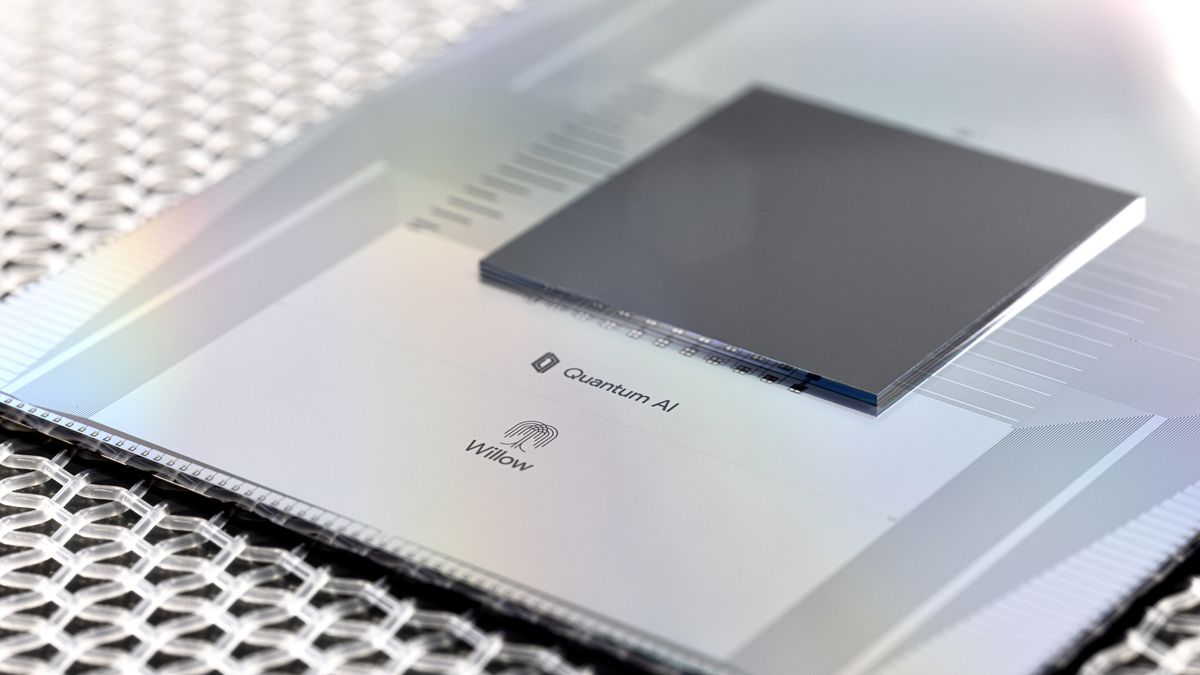
As Apple’s flagship smartphones evolve, so do their A-series chips, which are at the heart of their performance prowess. Each new chip iteration introduces enhancements that not only accelerate processing speeds but also optimize power efficiency and enable advanced features. This section delves into a detailed comparison of the A-series chips across different iPhone models, showcasing the significant advancements in technology and their impact on user experience.
Specifications of A-series Chips in Different iPhone Models
The following table summarizes the specifications of notable A-series chips used in various iPhone models, illustrating both performance metrics and technological advancements.
| iPhone Model | Chip | CPU Cores | GPU Cores | Neural Engine | Manufacturing Process |
|---|---|---|---|---|---|
| iPhone 6 | A8 | 2 (Twister) | 4 | 1st Generation | 20nm |
| iPhone 7 | A10 Fusion | 4 (2 high-performance + 2 high-efficiency) | 6 | 2nd Generation | 16nm |
| iPhone X | A11 Bionic | 6 (2 high-performance + 4 high-efficiency) | 3 | 2nd Generation | 10nm |
| iPhone 12 | A14 Bionic | 6 (2 high-performance + 4 high-efficiency) | 4 | 16-core | 5nm |
| iPhone 13 | A15 Bionic | 6 (2 high-performance + 4 high-efficiency) | 4 | 16-core | 5nm |
| iPhone 14 | A16 Bionic | 6 (2 high-performance + 4 high-efficiency) | 5 | 16-core | 4nm |
The table highlights key specifications, showcasing the evolution of Apple’s chip technology. Notable improvements can be seen in the transition from the A8 to the A16 Bionic, where enhancements in manufacturing processes and core architecture have resulted in increased performance and efficiency.
Performance Improvements with Newer Chip Iterations, Chip iphone
The advancement of chip technology significantly influences the overall performance of iPhones. Each new A-series chip iteration typically reports performance boosts in terms of CPU and GPU speeds, along with improved computational capabilities for machine learning.
For instance, the shift from the A10 Fusion to the A11 Bionic represented a leap in processing efficiency, enhancing tasks such as gaming and photography. The introduction of a dedicated neural engine in the A11 allowed for more sophisticated features like improved facial recognition and augmented reality experiences.
The A14 Bionic further elevated performance levels with its 5nm architecture, which allowed for more transistors on a chip, resulting in higher speed and lower power consumption. The A15 Bionic continued this trend, delivering even better graphics performance, crucial for gaming and high-definition video editing.
In the most recent A16 Bionic, Apple introduced advanced thermal management and interoperability enhancements, allowing apps to perform better under load without overheating, which directly affects user experience and app responsiveness.
Impact of Chip Performance on User Experience and App Usage
The performance of the A-series chips dramatically enhances user experience across various applications, from everyday tasks to demanding software. With each new generation, users can expect faster load times, smoother multitasking, and improved graphics rendering.
As applications become more resource-intensive, the benefits of a powerful chip are evident. Users experience seamless navigation through apps, quick photo processing, and efficient gaming experiences that leverage the GPU’s capabilities. Furthermore, the inclusion of advanced features like real-time video processing and machine learning allows for richer applications that can perform complex tasks on-device, reducing reliance on cloud processing.
In summary, the continuous advancements in chip technology not only elevate the performance of iPhones but also redefine user expectations, making each model more capable than the last. This evolution underscores Apple’s commitment to delivering a superior mobile experience through innovative hardware design.
Future Trends in iPhone Chip Development

As technology continues to evolve at a breakneck pace, the potential for innovations in chip technology for future iPhone models remains immense. Apple’s dedicated chip design team is known for pushing boundaries, which paves the way for advancements that will not only enhance performance but also redefine user experiences. With the growing demand for faster processing, improved energy efficiency, and enhanced connectivity, the next generation of iPhone chips is set to deliver remarkable features that will transform how users interact with their devices.
The role of 5G technology is crucial in shaping the next generation of iPhone chips. As mobile networks transition to 5G, the demand for faster data speeds and lower latency becomes a top priority. Future iPhone chips will likely incorporate advanced 5G modem technology, enabling seamless streaming, enhanced gaming experiences, and improved overall connectivity. With the potential for increased data throughput, users can expect to experience high-definition video calls, instant downloads, and real-time gaming without interruptions.
Anticipated Innovations in Chip Technology
The future of chip technology in iPhones is expected to feature a range of innovations that will enhance device capabilities. Key areas of advancement include:
- Enhanced AI Processing: Future chips are anticipated to integrate more sophisticated AI capabilities, allowing for improved user interactions through features like advanced voice recognition and real-time image processing.
- Increased Energy Efficiency: With an ongoing focus on sustainability, future chip designs are likely to be more energy-efficient, prolonging battery life and reducing the frequency of charging.
- Advanced Graphics Processing: Innovations in graphics processing units (GPUs) will enable richer gaming experiences and more immersive augmented reality (AR) applications.
- Integration of Machine Learning: The incorporation of machine learning features directly into the chip will allow devices to learn user behavior and preferences, leading to personalized experiences.
The roadmap for anticipated chip advancements will not only focus on performance enhancement but also on the integration of cutting-edge technologies, which will reshape user interactions. Upcoming iPhone models may feature chips that support the following advancements:
1. 3nm Process Technology: Future iPhone chips are expected to utilize 3nm fabrication technology, leading to smaller, more efficient chips that can enhance performance while consuming less power.
2. Unified Architecture: A unified architecture that combines CPU, GPU, and AI processing on a single chip will streamline performance and reduce latency.
3. Enhanced Security Features: Future chips may incorporate advanced security mechanisms, such as on-device encryption and biometric processing, to ensure user data remains secure.
4. Support for Emerging Technologies: With the rise of technologies like augmented reality and machine learning applications, future chips will likely have dedicated hardware to support these innovations.
“Apple’s focus on custom chip development has set the stage for groundbreaking advancements, ensuring that each new iPhone model will offer features that redefine user experiences.”
Q&A: Chip Iphone
What is the A-series chip in iPhones?
The A-series chip is a line of custom-designed processors by Apple that powers iPhones, enhancing performance and efficiency.
How does the chip affect battery life?
The architecture of the chip optimizes energy consumption, leading to better battery performance across various iPhone models.
What advancements can we expect in future iPhone chips?
Future iPhone chips may feature improved AI capabilities, enhanced processing power, and better integration with 5G technology.
Are custom chips better than off-the-shelf components?
Yes, custom chips are tailored for specific hardware and software needs, providing better performance and reliability than generic components.
How do chips influence app performance on iPhones?
The efficiency and processing speed of the chip directly affect how smoothly apps run and how quickly they respond to user inputs.
The Samsung Galaxy 10 Lite stands out with its impressive performance and sleek design. Users appreciate its user-friendly interface, which combines advanced features with accessibility, making it an ideal choice for both tech enthusiasts and casual users alike. With its robust camera and powerful battery, it caters to a wide range of needs, ensuring a satisfying experience.
Another significant model in Samsung’s lineup is the Samsung Galaxy S 4 , which has garnered attention for its innovative functionality and stylish appearance. This smartphone was ahead of its time, integrating cutting-edge technology and features that enhance everyday tasks. Its user experience is well-optimized, making it a reliable option for those who value both performance and aesthetics.