Galaxy Note 2 stands as a pivotal moment in the smartphone landscape, revolutionizing how we interact with mobile technology. Released during a time when smartphones were rapidly evolving, the Note 2 introduced features that combined the usability of a phone with the functionality of a tablet, effectively birthing the phablet category. Its innovative design and powerful specifications set a new standard that many devices would follow in the years to come.
With a robust timeline detailing its release and the features that distinguished it from previous models, the Galaxy Note 2 is not just a phone but a cultural icon in the tech world. From its impressive specifications to the unique S Pen functionality, this device enhanced user experience and redefined mobile productivity.
Historical Overview of Galaxy Note 2

The Galaxy Note 2, launched in late 2012, marked a significant evolution in Samsung’s smartphone lineup and the broader mobile technology landscape. It emerged as a pioneering device that not only enhanced the brand’s reputation for innovation but also solidified the concept of phablets—smartphones with larger screens that cater to both phone and tablet functionality. This overview delves into the timeline of its release, its distinctive features, and the lasting impact it had on the smartphone market.
Timeline of Release and Evolution
Samsung officially unveiled the Galaxy Note 2 on August 29, 2012, at the IFA consumer electronics fair in Berlin. After a successful pre-order phase, the device was released in various markets, becoming available in Europe and Asia in September 2012, followed by a North American launch in November 2012. The Galaxy Note 2 was a successor to the original Galaxy Note, which had already gained popularity for its innovative use of the S Pen stylus and larger display.
The Galaxy Note 2 incorporated several enhancements over its predecessor, including a larger 5.5-inch HD Super AMOLED display, improved multitasking capabilities, and a more refined S Pen experience, making it a more versatile tool for both productivity and entertainment. The device also featured a 1.6 GHz quad-core processor and a 3100 mAh battery, ensuring robust performance for its time.
Unique Features of Galaxy Note 2
The Galaxy Note 2 distinguished itself with several key features that catered to consumers seeking both smartphone and tablet functionalities. These unique offerings included:
- Enhanced S Pen: The S Pen stylus was not just a writing tool but a gateway to features like Air View, allowing users to preview content without touching the screen. The integration of various S Pen-specific applications made note-taking and creative tasks more intuitive and efficient.
- Multi-Window Support: This feature allowed users to run two applications simultaneously, enhancing productivity and multitasking capabilities significantly. For instance, users could browse the web while taking notes on another window.
- Larger Display: With a 5.5-inch screen, the Galaxy Note 2 provided a larger viewing area, making it ideal for media consumption, gaming, and reading. The HD Super AMOLED technology delivered vibrant colors and deep contrasts, appealing to users who valued display quality.
- Improved Design: The device featured a refined shape and lightweight design, making it more ergonomic compared to its predecessor. The back cover was made of plastic, which contributed to a lighter feel, while still offering a premium look.
Impact on the Development of Phablets
The introduction of the Galaxy Note 2 played a pivotal role in the popularization of the phablet category, effectively bridging the gap between smartphones and tablets. Prior to its launch, the concept of a phone with a screen larger than 5 inches was relatively niche, but the success of the Note 2 helped shift consumer perceptions.
Many manufacturers began to follow suit, rolling out their versions of phablets, which led to a new trend in the smartphone market. The influence of the Galaxy Note 2 can be seen in the subsequent release of devices like the LG G Pro and the HTC One Max, which were designed with similar larger displays and stylus capabilities.
The Galaxy Note 2 not only redefined user expectations for smartphone features but also set a precedent for future device innovations in the phablet segment.
By effectively meeting the demand for larger screens and advanced functionalities, the Galaxy Note 2 solidified its legacy in the mobile technology landscape, influencing design trends and user preferences that remain relevant today.
Technical Specifications and Performance
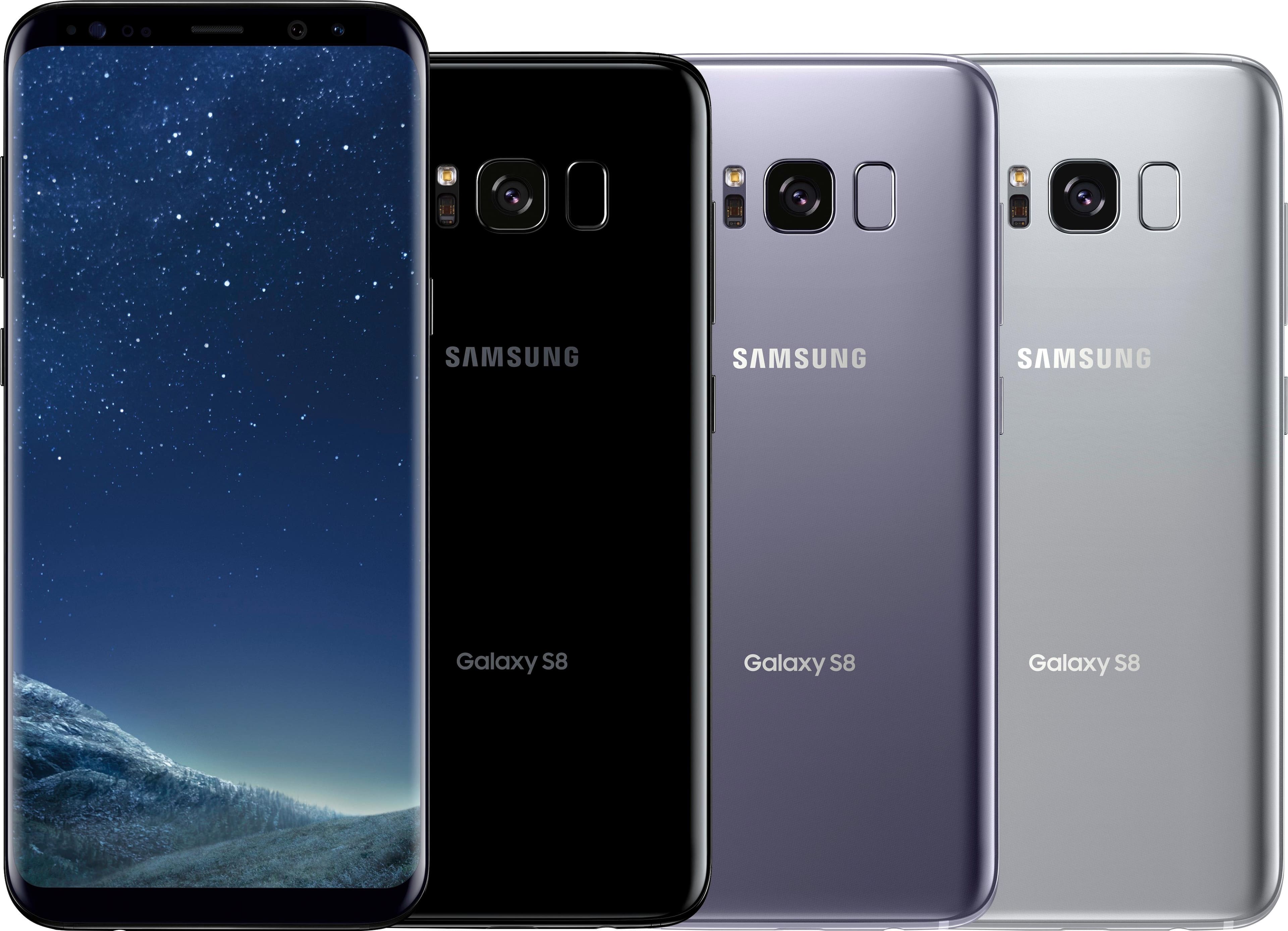
The Samsung Galaxy Note 2 was released in 2012 and quickly became a favorite among tech enthusiasts. Its blend of advanced specifications and innovative features made it a standout device. This section delves into the technical specifications, compares its performance with contemporary devices, and analyzes its battery capabilities under various usage scenarios.
Technical Specifications
The Galaxy Note 2 was equipped with impressive hardware that facilitated its robust performance. Key specifications include:
- Processor: The device is powered by a 1.6 GHz quad-core Exynos 4412 processor, which ensured smooth multitasking and efficient performance.
- RAM: With 2 GB of RAM, the Galaxy Note 2 handled applications and tasks effectively, allowing for seamless transitions between multiple apps.
- Storage Options: Users could choose from 16 GB, 32 GB, or 64 GB of internal storage, expandable via microSD up to an additional 64 GB, catering to varying needs for space.
These specifications provided the Galaxy Note 2 with a significant advantage in performance compared to devices released around the same time.
Performance Comparison
When comparing the Galaxy Note 2 with other smartphones released in 2012, such as the Apple iPhone 5 and HTC One X, it is clear that it held its ground well in terms of performance:
- The iPhone 5 featured a dual-core A6 chip, which, while fast, could not match the multi-core capabilities of the Galaxy Note 2’s quad-core processor, especially in multi-threaded tasks.
- The HTC One X had a similar quad-core setup but struggled with battery management under heavy use compared to the Galaxy Note 2’s optimized performance.
- In benchmark tests, the Galaxy Note 2 often outperformed its contemporaries in graphics-intensive applications, thanks to its Mali-400 MP GPU.
Overall, the Galaxy Note 2’s performance was robust, making it a viable option for power users and gamers alike.
Battery Life and Charging Capabilities, Galaxy note 2
The Galaxy Note 2 was equipped with a 3,100 mAh removable battery, which provided impressive battery life under various usage scenarios.
- In typical use, involving browsing, social media, and casual gaming, users could expect to achieve a full day’s usage on a single charge.
- During heavy use, such as gaming or using GPS navigation for extended periods, the device still managed to last around 6-8 hours, which was commendable for its time.
- The phone supported fast charging capabilities, allowing it to reach approximately 50% battery in about 30 minutes, making it convenient for users on the go.
The combination of a high-capacity battery and efficient power management ensured that the Galaxy Note 2 was well-equipped to handle demanding tasks without compromising on battery life.
User Experience and Features

The Galaxy Note 2 marked a significant evolution in smartphone user experience, emphasizing functionality and intuitive design. Samsung aimed to enhance both the visual interface and practical usability, resulting in a device that catered to both casual users and professionals. By integrating features designed for multitasking and creative expression, the Note 2 established itself as more than just a smartphone; it became a versatile tool for everyday life.
User Interface Enhancements
The Galaxy Note 2 introduced a refined user interface that significantly improved the overall user experience. It featured a larger 5.5-inch screen with a resolution of 1280 x 720 pixels, allowing for more content to be displayed clearly. The device utilized Samsung’s TouchWiz Nature UX, which provided a fresh and organic look, making navigation seamless and intuitive. Key enhancements included:
- Multi-Window Functionality: Users could run two apps simultaneously, making it easier to multitask. For instance, one could watch a video while browsing the web without switching between applications.
- Smart Stay: This feature used the front camera to detect whether the user was looking at the screen, preventing it from dimming or sleeping, enhancing usability during reading or browsing.
- Popup Note: This allowed users to create a note from anywhere, simply by pulling out the S Pen. This feature made it easier to jot down quick reminders without disrupting ongoing activities.
S Pen Functionality and Daily Applications
The S Pen was a defining feature of the Galaxy Note 2, setting it apart from other smartphones. This stylus was not just a tool for writing; it opened up a myriad of functionalities that catered to productivity and creativity. With its enhanced pressure sensitivity and improved accuracy, the S Pen transformed the user experience in several ways:
- Handwriting Recognition: Users could write notes directly on the screen, with the device converting handwriting to text seamlessly, making note-taking faster and more efficient.
- Screen Capture and Annotation: The S Pen enabled users to capture screenshots and annotate directly on them, perfect for sharing ideas or providing feedback with visual context.
- Air View: By hovering the S Pen over the screen, users could preview content such as emails or images without the need to open them fully, streamlining the process of finding information.
User Testimonials
User experiences with the Galaxy Note 2 highlight its impact on daily tasks and overall satisfaction. Many users praised the device for its ability to boost productivity and enhance creative expression. One user remarked,
“The S Pen has completely changed the way I take notes. I can quickly jot down ideas and even sketch concepts for work without needing a separate notebook.”
Another user noted,
“The multi-window feature is a game-changer for multitasking. I often have my calendar open while responding to emails—it’s made my work so much more efficient.”
Overall, the Galaxy Note 2’s user experience, driven by its intuitive interface and innovative S Pen capabilities, garnered positive feedback from those who integrated it into their daily lives.
Market Reception and Legacy: Galaxy Note 2
The Galaxy Note 2 was a pivotal release in the smartphone market, capturing consumer interest with its innovative features and design. Launched in 2012, it quickly became known as a phablet, bridging the gap between smartphones and tablets. Its unique selling points, such as the S Pen stylus and large screen, resonated with users seeking productivity and multimedia capabilities.
The launch of the Galaxy Note 2 was met with a positive reception, showcasing Samsung’s ability to blend functionality with style. Upon its release, the device garnered significant media attention and consumer enthusiasm, which translated into impressive sales figures. The Note 2 was commended for its performance, display quality, and multitasking features, setting a high standard for subsequent devices in the market.
Marketing Strategies
Samsung employed several effective marketing strategies that contributed to the success of the Galaxy Note 2. Highlighted below are key tactics that played a crucial role:
- Targeted Advertising: Samsung focused on campaigns that emphasized the unique features of the Galaxy Note 2, appealing to both professionals and creatives who valued productivity and artistic expression.
- Endorsements and Partnerships: Collaborations with influencers and high-profile events helped to elevate the device’s status among tech-savvy consumers.
- Social Media Engagement: The company utilized social media platforms to create buzz and engage directly with potential customers, fostering a community around the Galaxy Note brand.
- Promotional Offers: Samsung offered attractive trade-in deals and financing options to entice users to upgrade, making the Galaxy Note 2 accessible to a broader audience.
The combination of these strategies not only enhanced the visibility of the Galaxy Note 2 but also established it as a desirable product in an increasingly competitive smartphone landscape.
Sales Figures Comparison
In terms of sales, the Galaxy Note 2 outperformed many of its contemporaries, solidifying its position in the market. During its launch year, it sold approximately 5 million units within the first two months. This figure is significant when compared to its competitors like the iPhone 5, which sold about 5 million units in its first weekend, and the HTC One, which faced challenges in gaining similar traction.
The following table Artikels a comparison of sales figures for the Galaxy Note 2 against some prominent competitors during the same period:
| Device | Sales Figures (in millions) | Launch Period |
|---|---|---|
| Galaxy Note 2 | 5 | October 2012 |
| iPhone 5 | 5 (in first weekend) | September 2012 |
| HTC One | 2 (in first month) | March 2013 |
The competitive landscape illustrated how the Galaxy Note 2 established a strong foothold, owing much to its innovative features and well-executed marketing strategies. Its success not only set the stage for future iterations of the Note series but also influenced the broader smartphone industry, leading to an increase in phablet-style devices.
Common Queries
What year was the Galaxy Note 2 released?
The Galaxy Note 2 was released in 2012.
What are the key features of the Galaxy Note 2?
Key features include a 5.5-inch display, S Pen stylus, and multi-window functionality.
How does the battery life of the Galaxy Note 2 compare to modern devices?
While the Note 2 had decent battery life for its time, modern devices often offer better energy efficiency and longer-lasting batteries.
Is the S Pen compatible with other Samsung devices?
Yes, the S Pen is compatible with various Samsung devices, particularly those in the Note series and select Galaxy devices.
What was the market reception like for the Galaxy Note 2?
The Galaxy Note 2 received positive reviews and was well-received for its innovative features and performance, contributing to strong sales.
The Galaxy Note 7 was a flagship device that sparked discussions due to its advanced features and the infamous battery issues. Despite the controversy, its design and technology set a high standard for smartphones. In the evolving landscape of mobile technology, such incidents remind users to prioritize safety alongside innovation.
In today’s tech-driven world, GPS tracking has become essential for both personal and business use. This technology not only enhances navigation but also plays a crucial role in fleet management and personal safety. As we rely more on our devices, understanding how to effectively use GPS can lead to improved efficiency and security in daily activities.