Samsung Galaxy S II stands as a landmark in smartphone history, captivating users with its innovative features and exceptional performance. This device, launched during a pivotal time in mobile technology, set the stage for future advancements with its vibrant Super AMOLED Plus display and powerful processing capabilities.
With a design that was sleek for its time, the Galaxy S II offered not only aesthetic appeal but also a robust user experience. The combination of its cutting-edge specifications and user-friendly interface made it a favorite among tech enthusiasts and casual users alike.
Features of Samsung Galaxy S II
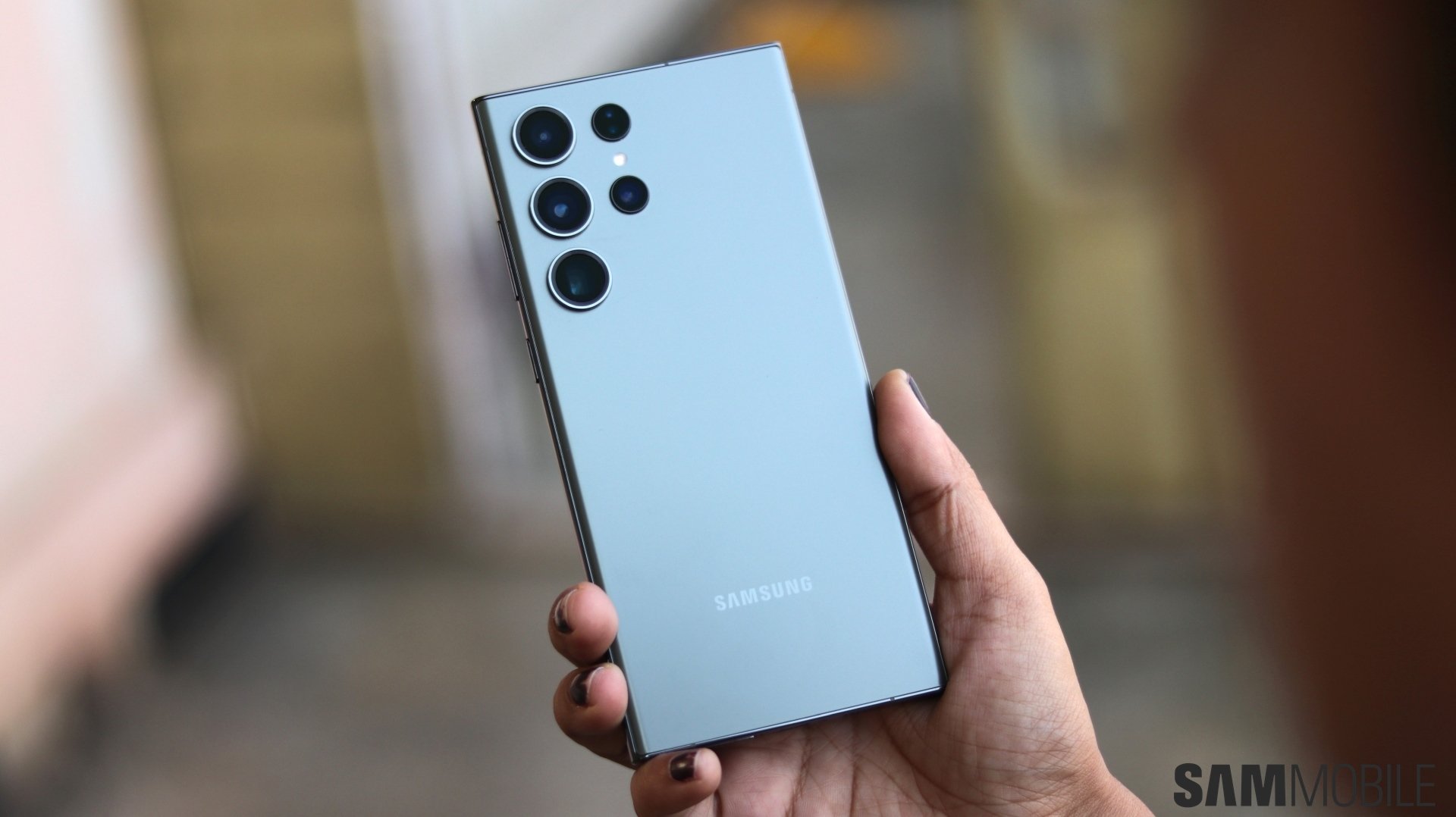
The Samsung Galaxy S II is a standout smartphone that redefined the mobile experience with its cutting-edge technology and sleek design. Launched in 2011, it quickly gained popularity due to its impressive features and performance capabilities that set it apart from its competitors.
Key Specifications and Features
The Samsung Galaxy S II boasts a range of specifications that contribute to its functionality and appeal. Key features include:
- Display: 4.3-inch Super AMOLED Plus display with a resolution of 800 x 480 pixels, providing vibrant colors and deep blacks.
- Processor: Dual-core 1.2 GHz Cortex-A9 processor that ensures smooth multitasking and efficient performance.
- RAM: 1 GB RAM, allowing seamless operation of applications and processes.
- Camera: 8 MP rear camera with autofocus and LED flash, capable of recording HD videos at 1080p.
- Storage: Internal storage options of 16/32 GB, expandable via microSD card up to 32 GB.
- Battery: 1650 mAh battery that offers decent usage time, supporting the device’s high-performance capabilities.
Significance of Super AMOLED Plus Display Technology
The Super AMOLED Plus display technology utilized in the Galaxy S II plays a crucial role in enhancing the user experience. This technology combines the display and touch sensors into one layer, which not only reduces thickness but also improves touch responsiveness. Key advantages of the Super AMOLED Plus display include:
- Vivid Colors: The display delivers rich color reproduction, making images and videos look more lifelike.
- Better Contrast: With deeper blacks and higher contrast ratios, users can enjoy more immersive viewing experiences.
- Energy Efficiency: The display consumes less power compared to traditional LCDs, extending battery life while maintaining screen brightness.
- Wide Viewing Angles: The technology allows for excellent visibility from different angles, making it ideal for sharing content.
Performance Capabilities of Processor and RAM
The performance of the Samsung Galaxy S II is driven primarily by its dual-core processor and ample RAM. The combination enables the device to handle tasks efficiently. Important performance aspects include:
- Multitasking: The 1.2 GHz dual-core processor paired with 1 GB of RAM allows users to run multiple applications simultaneously without noticeable lag.
- Gaming Experience: High-performance specifications support popular gaming applications, ensuring smooth gameplay and quick loading times.
- Application Management: Fast processing speeds facilitate the handling of resource-intensive apps, improving overall functionality.
- Web Browsing: Quick response times in web browsers enhance the experience of accessing content online, making it faster and more fluid.
“The Samsung Galaxy S II set a benchmark for what smartphones should offer, combining innovation with user-centric features.”
Comparison with Other Smartphones
During its launch period in 2011, the Samsung Galaxy S II faced stiff competition from several flagship smartphones, each boasting unique features and specifications. Notable rivals included the Apple iPhone 4S, HTC Sensation, and the Motorola Atrix. These devices aimed to capture the attention of users looking for high-performance smartphones, making it essential to compare key aspects such as camera quality, battery life, and charging options.
Camera Quality of Galaxy S II Compared to Rivals
The camera capabilities of smartphones have become a significant factor influencing consumer choices. The Samsung Galaxy S II featured an impressive 8MP rear camera, equipped with autofocus and an LED flash, capable of capturing high-quality images even in low-light conditions. In comparison, the Apple iPhone 4S also boasted an 8MP camera, but it distinguished itself with advanced optics and features like HDR imaging, which enhanced photo quality. The HTC Sensation, with its 8MP camera, provided similar functionalities but often struggled with low-light performance. The Motorola Atrix, on the other hand, while featuring an 8MP camera, was criticized for its inconsistent image quality.
| Smartphone | Camera Megapixels | Features | Low-Light Performance |
|---|---|---|---|
| Samsung Galaxy S II | 8MP | Autofocus, LED Flash | Good |
| Apple iPhone 4S | 8MP | HDR, Advanced Optics | Excellent |
| HTC Sensation | 8MP | Autofocus, Dual LED Flash | Fair |
| Motorola Atrix | 8MP | Autofocus | Fair |
Battery Life and Charging Options
Battery performance is crucial for smartphone users, especially for those who rely on their devices throughout the day. The Samsung Galaxy S II housed a 1650mAh battery, which was considered robust for its time, providing a satisfactory usage time of up to 18 hours of talk time. Comparatively, the iPhone 4S had a slightly smaller battery at 1432mAh, but Apple’s optimization allowed it to deliver impressive battery life. The HTC Sensation offered a 1520mAh battery, which often fell short under heavy usage due to its display and processing power demands. The Motorola Atrix, with a 1930mAh battery, aimed to provide longer usage times, but user experiences revealed that its heavy interface and features consumed more power than anticipated.
“The Galaxy S II set a high benchmark for battery life, ensuring users could stay connected longer without frequent recharging.”
In terms of charging options, the Galaxy S II supported standard micro USB charging, which was widely accepted across devices of that era. The iPhone 4S, while also using a proprietary connector, offered options for faster charging through Apple-specific accessories. In contrast, the HTC Sensation and Motorola Atrix followed similar micro USB standards but lacked the efficient charging speeds that users sought in more advanced models.
User Experience and Community Feedback: Samsung Galaxy S Ii
The Samsung Galaxy S II has made a significant impact in the smartphone market since its launch, and users have shared a plethora of experiences regarding its performance, features, and overall usability. Testimonials from users highlight both the strengths and weaknesses of the device, providing insights that are invaluable for potential buyers and current users alike.
User feedback has consistently pointed out various aspects of the Galaxy S II that resonate with everyday usage. From its design to its camera quality, users have extensive opinions that shape the overall view of this smartphone. However, like any device, it is not without its shortcomings.
User Testimonials and Reviews
Numerous reviews emphasize the compelling features of the Galaxy S II, including its vibrant display and robust performance. Below is a summary of frequently mentioned pros and cons derived from user testimonials:
| Pros | Cons |
|---|---|
| Stunning Super AMOLED display | Battery life can be a concern |
| Lightweight and ergonomic design | Occasional software glitches |
| Fast processing speeds with dual-core CPU | Camera performance in low light not optimal |
| Extensive app support and ecosystem | Limited storage options without microSD |
| Good call quality and connectivity | Plastic build may feel less premium |
The strengths highlighted by users often focus on the exceptional display quality and the smooth multitasking experience provided by the device. In contrast, common weaknesses mentioned include battery performance and occasional software issues that hinder the overall experience.
Community Support and Troubleshooting Resources, Samsung galaxy s ii
The community surrounding the Galaxy S II is vibrant and active, offering a wealth of resources for users seeking assistance. Various forums, including dedicated Samsung forums and tech community platforms, serve as hotspots for troubleshooting and sharing tips. Many users report positive experiences when leveraging community advice to solve common problems.
Support resources can include:
– User-created guides on specific issues such as battery optimization and software updates.
– Forums where users discuss their experiences, providing peer-to-peer support.
– Official Samsung support channels offering technical assistance and warranty information.
Community engagement has empowered many users to unlock the full potential of their Galaxy S II devices, showcasing the importance of shared knowledge in enhancing user experience. With dedicated online groups, users can easily find solutions to problems, ensuring a smoother smartphone journey.
“The best part about owning a Galaxy S II is the community that surrounds it; there’s always someone willing to help.” – User Testimonial
Software Updates and Longevity
The Samsung Galaxy S II, released in 2011, has a notable software update history that reflects both Samsung’s commitment to its devices and the evolving ecosystem of Android. Major updates have played a crucial role in enhancing the performance and user experience over the years, allowing the device to maintain relevance even in a rapidly advancing smartphone market.
Samsung provided several major Android updates for the Galaxy S II, transitioning from Android 2.3 (Gingerbread) at launch to Android 4.1.2 (Jelly Bean) as the last official update. These updates introduced significant enhancements in user interface, performance, and new features, including improved multitasking and enhanced camera functionality. However, as newer versions of Android were released, the S II’s ability to keep pace with the latest software became limited, leading to performance issues and a decline in user satisfaction among those who wished to utilize the latest applications and features.
Impact of Software Updates on Device Performance and User Satisfaction
Software updates have a profound impact on device performance, often leading to improved speed and stability. Users of the Galaxy S II reported noticeable enhancements post-update, particularly with the transition to Jelly Bean, which incorporated Project Butter—a system designed to improve device responsiveness. This update made the user experience smoother and more enjoyable, ultimately increasing user satisfaction.
However, some users have expressed frustration with the limitations imposed by the aging hardware of the S II, which struggled to support newer applications and features designed for later Android versions. The performance impact of updates can vary, with some users experiencing degradation in speed and battery life as the operating system and applications become more demanding. This dichotomy highlights the challenges faced by older devices in an ever-evolving technological landscape.
Custom ROM Options for Extended Longevity
For enthusiasts looking to extend the life of their Galaxy S II, custom ROMs provide an appealing avenue. These user-created firmware options allow users to install newer versions of Android that are not officially supported by Samsung. Custom ROMs like LineageOS have garnered popularity for older devices due to their ability to provide a modern Android experience, complete with security updates and new features.
Installing a custom ROM typically involves rooting the device, which enables the user to replace the stock firmware. While this process can be technically challenging, it offers significant rewards. Users adopting this route often report enhanced performance, additional features, and a more contemporary interface. Furthermore, active communities around such ROMs provide ongoing support and updates, ensuring that even devices like the Galaxy S II can enjoy a semblance of modernity well beyond their original software lifecycle.
In summary, while the software update history of the Samsung Galaxy S II showcases significant advancements that have positively influenced user experience, the challenges of aging hardware and the limitations of official updates have led many to explore custom ROM options, allowing them to rejuvenate their device and maintain usability in today’s fast-paced smartphone environment.
FAQ Insights
What year was the Samsung Galaxy S II released?
The Samsung Galaxy S II was released in 2011.
What is the screen size of the Samsung Galaxy S II?
The Samsung Galaxy S II features a 4.3-inch display.
Is the Samsung Galaxy S II still receiving updates?
No, the Samsung Galaxy S II is no longer receiving official software updates.
Can I use custom ROMs on the Samsung Galaxy S II?
Yes, there are several custom ROMs available for the Samsung Galaxy S II to enhance its functionality.
What is the camera resolution of the Samsung Galaxy S II?
The Samsung Galaxy S II has an 8-megapixel rear camera.
The Samsung Galaxy S series has consistently pushed the boundaries of smartphone technology, providing users with innovative features and sleek designs. Each new iteration builds upon the last, enhancing user experience with advanced camera systems and performance upgrades. It’s no wonder that this line remains a top choice for tech enthusiasts and everyday users alike.
Among the notable models, the Galaxy S 6 stands out for its premium build quality and stunning display. Released in 2015, it marked a significant shift in design for Samsung, moving away from plastic to a glass and metal construction, which set a new standard for future smartphones. Its performance and design still resonate with users today.